
Visual brief
Why IKEA Failed in the Indian Market?
The fact that IKEA failed in its journey in the Indian market has been fraught with challenges, Especially in the Indian market
- Sales Performance Below Expectations IKEA’s sales in India have not met the company’s high expectations.
- Limited Store Expansion The expansion of IKEA stores in India has been slower than initially planned.
- IKEA Failed – Can IKEA’s Performance in India Improve? Subsequently, as expected, technology can play a pivotal role in enhancing IKEA’s operations.
- Personalized Marketing and Customer Insights Consequently, integrating advanced technologies into its operations can help IKEA enhance efficiency, improve customer experiences, and stay competitive in a dynamic market.
In full
Fill in the details to get the FREE complete report on this.
While it might be an overstatement to say that IKEA “failed” in the Indian market, the company has undoubtedly encountered significant challenges.
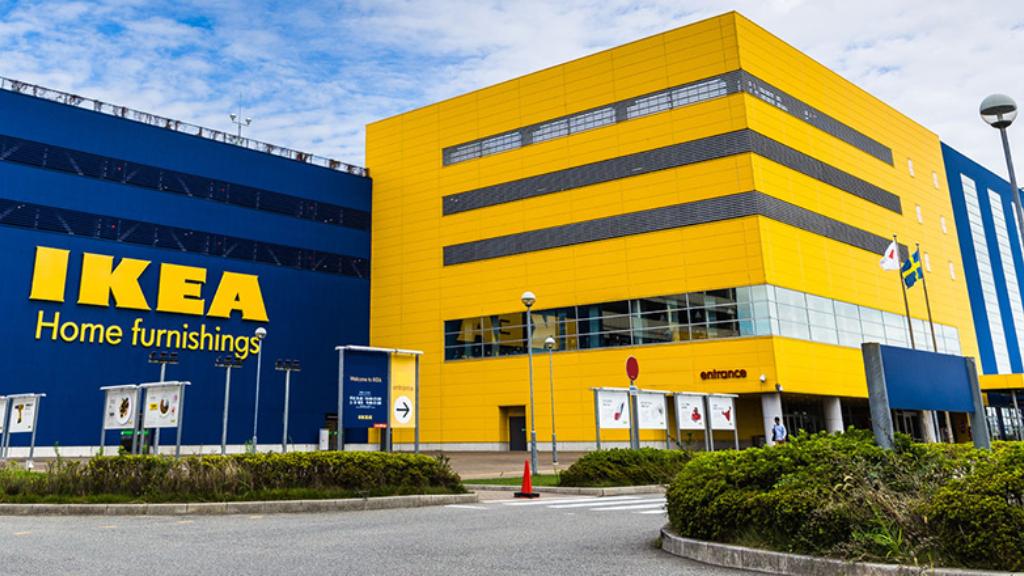
Here are some key points that we at TheCodeWork came up with, to support the statement that “IKEA failed in India” by relevant statistics:
Sales Performance Below Expectations
IKEA’s sales in India have not met the company’s high expectations. Despite its initial optimism, IKEA’s sales in India have fallen short of expectations.
- Revenue Data: In its first year of operations, IKEA India generated around ₹407 crore (approximately $56 million), which was below the company’s expectations for such a large market. By 2021, IKEA India’s revenue increased to ₹931 crore (approximately $127 million).
- Comparative Performance: Globally, IKEA’s revenue in 2021 was €41.9 billion ($49.2 billion). The revenue from India represents a very small portion of its global earnings, highlighting the underperformance in this market.
Limited Store Expansion
The expansion of IKEA stores in India has been slower than initially planned.
- Store Count: As of 2023, IKEA operates only a handful of stores in India, primarily in Hyderabad, Mumbai, and Bangalore, despite entering the market in 2018. The company originally planned to open 25 stores by 2025 but has faced delays .
- Customer Reach: The slow rollout of physical stores has limited IKEA’s reach in a country with vast geographic and demographic diversity.
Key Reasons to justify why IKEA failed in India
High Price Sensitivity
Cultural Differences in Furniture Preferences
Challenges with the DIY Model
Competitive Local Market
Supply Chain Issues
IKEA Failed – Can IKEA’s Performance in India Improve?
Subsequently, as expected, technology can play a pivotal role in enhancing IKEA’s operations. How? Well, by making the company more efficient, customer-centric, and adaptable to market needs. Here are several ways technology can aid IKEA:
Improving Supply Chain Management
Enhancing Customer Experience
Optimizing In-Store Experience
Personalized Marketing and Customer Insights
Consequently, integrating advanced technologies into its operations can help IKEA enhance efficiency, improve customer experiences, and stay competitive in a dynamic market. By leveraging IoT, AI, AR/VR, robotics, and data analytics, IKEA can optimize its supply chain, personalize customer interactions, and streamline operational processes, ultimately driving growth and success in the modern retail landscape.
Conclusion
However, the fact that IKEA failed in its journey in the Indian market has been fraught with challenges, from cultural misalignments and high operational costs to stiff competition from local players. The company’s sales figures, slow store expansion, and adaptation issues reflect the difficulties faced in a diverse and price-sensitive market like India. To improve its performance, IKEA needs to continue adapting its strategies, potentially including more localized products, improved supply chain logistics, and better alignment with consumer preferences.